
Table of Contents
- Why Bali for Slow Travel?
- Best Areas for Slow Travel in Bali
- Ubud: The Cultural Heart
- Canggu: Digital Nomad Hub
- North Bali and Sidemen: Hidden Gems
- Bali Daily Budget: Under $40 Per Day
- Long-Stay Accommodation in Bali
- Eating Well in Bali on a Budget
- Coworking Spaces and WiFi
- Bali Visa Options for Slow Travelers
Bali slow travel is the ultimate way to experience the Island of the Gods. Instead of rushing through temples and beaches in a week, slow travel in Bali means staying in one place for weeks or months, learning the local culture, eating like a local, and truly immersing yourself in this magical Indonesian island. This complete guide shows you how to live in Bali for under $40 per day.
Bali has been a magnet for slow travelers and digital nomads for years, and in 2026 it remains one of the best value destinations in the world for long stays. According to Nomad List, Bali consistently ranks as one of the top 5 digital nomad destinations globally, with a low cost of living and incredible quality of life.
Why Bali for Slow Travel?
Bali is uniquely suited to slow travel for several reasons:
- Extremely affordable: A comfortable lifestyle costs $800-1500 per month including accommodation, food, coworking, and activities.
- Huge expat and nomad community: Thousands of long-stay visitors mean there are always people to meet, events to attend, and communities to join.
- Rich culture: Hindu temples, traditional ceremonies, dance performances, and art galleries give you endless cultural exploration.
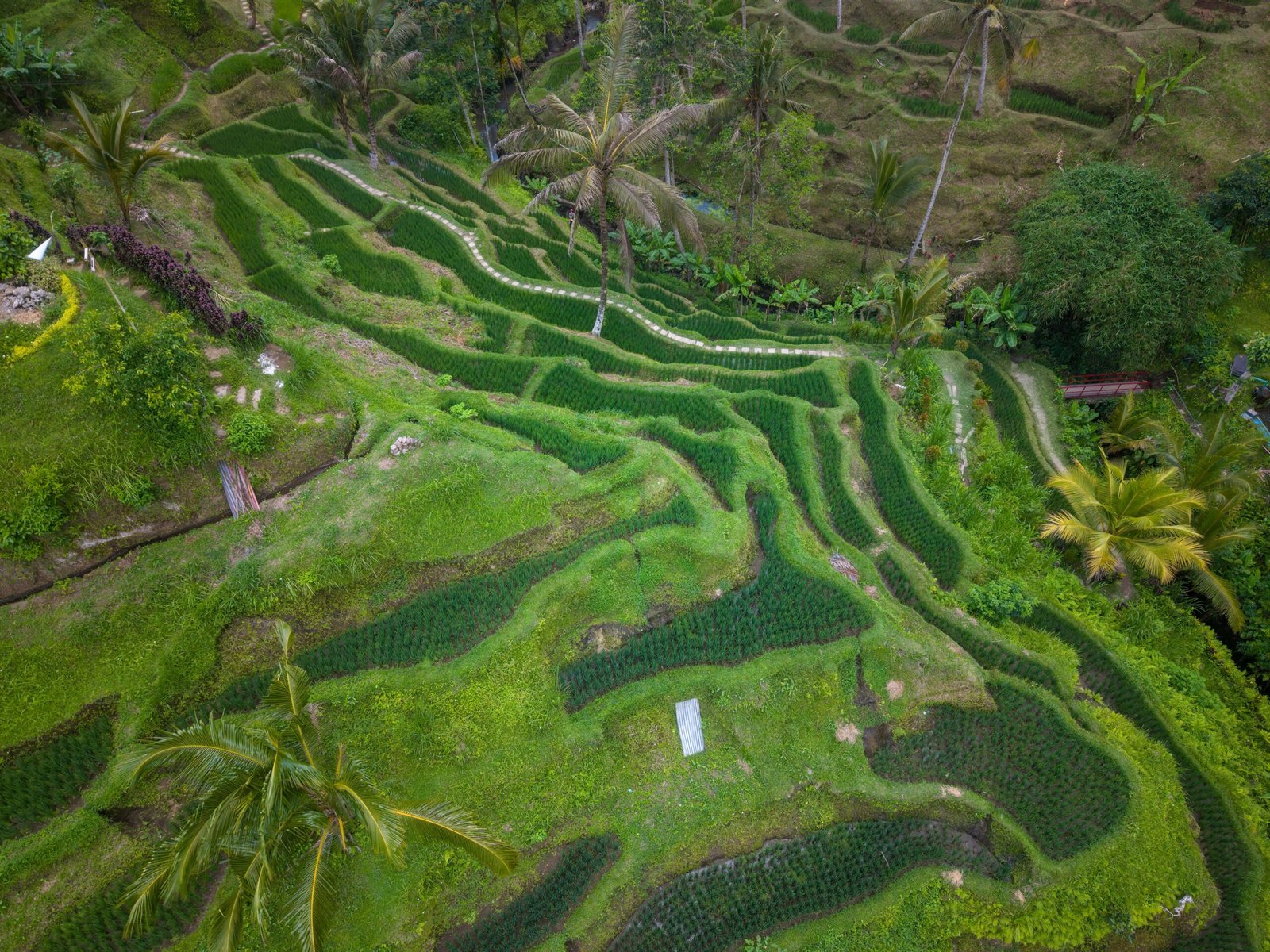
- Natural beauty: Rice terraces, waterfalls, volcanoes, and beaches are spread across the island, each with its own character.
- Wellness infrastructure: Yoga studios, meditation centers, and wellness retreats are everywhere, making it perfect for health-conscious travelers.
- Good internet: Fiber internet is widely available in popular areas, with speeds suitable for remote work.
Best Areas for Slow Travel in Bali
Each area of Bali has a distinct vibe. Here is a breakdown to help you choose:
- Ubud: Cultural heart of Bali. Best for yoga, meditation, rice terrace views, and art lovers. Quieter and more spiritual.
- Canggu: Coastal hub popular with digital nomads. Beach clubs, coworking spaces, and a vibrant social scene.
- Seminyak: Upscale beach area with great restaurants and shopping. More expensive but polished.
- Uluwatu: Cliff-top area with stunning beaches and surf breaks. Remote and beautiful.
- Sidemen: Quiet village in East Bali with rice terraces and mountain views. Very few tourists.
- Munduk: Mountain village in the north with waterfalls, coffee plantations, and cool temperatures.
- Amed: Quiet coastal village in East Bali, popular with divers. Very relaxed atmosphere.
For your first Bali slow travel experience, Ubud is the best starting point. It has everything you need within walking or scooter distance, and the community of long-stay travelers makes it easy to settle in.
Ubud: The Cultural Heart of Bali
Ubud is the spiritual and cultural center of Bali. The famous Tegallalang Rice Terraces are just a 20-minute scooter ride north. The Ubud Monkey Forest is home to hundreds of playful long-tailed macaques. The town center is filled with art galleries, yoga studios, organic cafes, and traditional markets.
For slow travelers, Ubud offers an unmatched quality of life. You can attend a traditional Balinese ceremony at one of the hundreds of temples, take a cooking class to learn local recipes, or simply spend your mornings watching the sunrise over the rice fields from a cafe with a $2 coffee.
Ubud tip: Rent a scooter for 700,000-900,000 IDR ($45-60) per month and explore the surrounding villages. Some of the best experiences in Bali are found in the small villages around Ubud that most tourists never visit.
Canggu: Digital Nomad Hub
Canggu has evolved from a quiet surf village into Bali’s primary digital nomad hub. It offers excellent coworking spaces like Dojo Bali and Outpost, a huge selection of cafes with strong WiFi, and a thriving social scene.
The area is centered around Berawa Beach and Batu Bolong, where you can surf in the morning, work in the afternoon, and watch the sunset from a beach club in the evening. The food scene is incredible, with everything from $1 nasi goreng at local warungs to upscale plant-based restaurants.
Canggu is more expensive than Ubud or Sidemen, with rents running 30-50% higher. However, the convenience of coworking spaces and the social scene make it worth it for many remote workers.
North Bali and Sidemen: Hidden Gems
If you want to escape the crowds entirely, head to Sidemen or Munduk. Sidemen is a quiet village with stunning rice terraces that rival the Tegallalang but without the selfie sticks. Munduk is a mountain village with waterfalls, coffee plantations, and cool temperatures — a welcome relief from the coastal heat.
These areas are significantly cheaper than the south. A beautiful guesthouse with rice field views costs just $10-20 per night, or $200-400 per month for a long stay. The slower pace and fewer tourists make these areas ideal for writers, artists, and anyone seeking genuine tranquility.
Bali Daily Budget: Under $40 Per Day
Here is a realistic daily budget for slow travel in Bali:
- Accommodation (monthly rental): $300-600 per month = $10-20 per day
- Food (3 meals at warungs): $5-10 per day
- Scooter rental: $1.50-2 per day
- Coworking space: $5-10 per day (or work from cafes for free)
- Activities and entertainment: $5-10 per day
Total: $25-50 per day for a comfortable lifestyle. If you cook at home, skip coworking spaces, and stick to local food, you can get this down to $15-25 per day. Check out our budget travel blueprint for more money-saving strategies.
Long-Stay Accommodation in Bali
For stays of one month or longer, you have several options:
- Monthly guesthouse rental: $200-600 per month. Simple rooms with AC, WiFi, and sometimes a kitchen. Best value for slow travelers.
- Villa rental: $500-1500 per month. Private pool villas are surprisingly affordable, especially if you share with other nomads.
- Homestay with a Balinese family: $150-300 per month. The most immersive option. You get a room and often home-cooked meals.
- Co-living spaces: $400-800 per month. Furnished rooms with coworking, social events, and community.
For our complete guide to budget-friendly options, see our accommodation guide. The best way to find long-stay accommodation is through Facebook groups like “Bali Digital Nomads” and “Bali Accommodation” where landlords post directly.
Eating Well in Bali on a Budget
Balinese food is delicious and incredibly affordable when you eat at local warungs (small family-run restaurants). Here are the must-try dishes:
- Nasi campur: Mixed rice plate with various small portions of meat, vegetables, and sambal. The quintessential Balinese meal. Costs 15,000-25,000 IDR ($1-1.50).
- Babi guling: Balinese suckling pig. Crispy skin, tender meat, and rich spices. Costs 30,000-50,000 IDR ($2-3.50).
- Mie goreng: Fried noodles with vegetables and your choice of protein. A staple that costs 10,000-20,000 IDR ($0.70-1.40).
- Jus alpukat: Avocado juice with chocolate syrup. A refreshing treat for 10,000-15,000 IDR ($0.70-1).
Avoid the tourist-oriented cafes in central Ubud and Canggu where meals cost 80,000-150,000 IDR ($5-10). Walk five minutes in any direction and you will find local warungs with food that tastes better at a fraction of the price.
Coworking Spaces and WiFi
Bali has excellent coworking infrastructure for remote workers. The best spaces include:
- Dojo Bali (Canggu): The original Bali coworking space. Day pass around $10, monthly from $150.
- Outpost (Canggu, Ubud): Modern spaces with fast internet and community events.
- Tribal Bali (Canggu): Newer space with a pool and great atmosphere.
- Zin Cafe (Ubud): Free coworking with minimum food and drink purchase.
Home WiFi in popular areas of Bali typically runs 20-50 Mbps, which is sufficient for video calls and most remote work. For more details on the digital nomad lifestyle, see our digital nomad visa guide.
Bali Visa Options for Slow Travelers
Indonesia offers several visa options for long stays:
- Visa on Arrival (VOA): 30 days, extendable once for another 30 days. Costs 500,000 IDR ($33). Perfect for shorter slow travel stays.
- Visa B211A: Social/cultural visa for 60 days, extendable up to 180 days. Requires a sponsor. Best for longer stays.
- Digital Nomad Visa (B211A-DN): Specifically designed for remote workers. Valid for 1 year with multiple entries.
- Second Home Visa: For those who want to stay 5 years. Requires proof of financial means.
For the most current visa information, check the official Indonesian immigration website. Our complete visa guide has detailed requirements and application processes for all these options.
Bali slow travel is about more than just living in a beautiful place affordably. It is about embracing a different rhythm of life, connecting with local culture, and discovering that you do not need much to be truly happy. Whether you stay for a month or a year, Bali has a way of changing you forever.
Save Your Trip
Book smarter with these trusted travel tools.
We earn a small commission at no extra cost when you book through these links.

Travel smarter, not harder. Expert guides, budget tips, and insider hacks for every destination.
You Might Also Like