
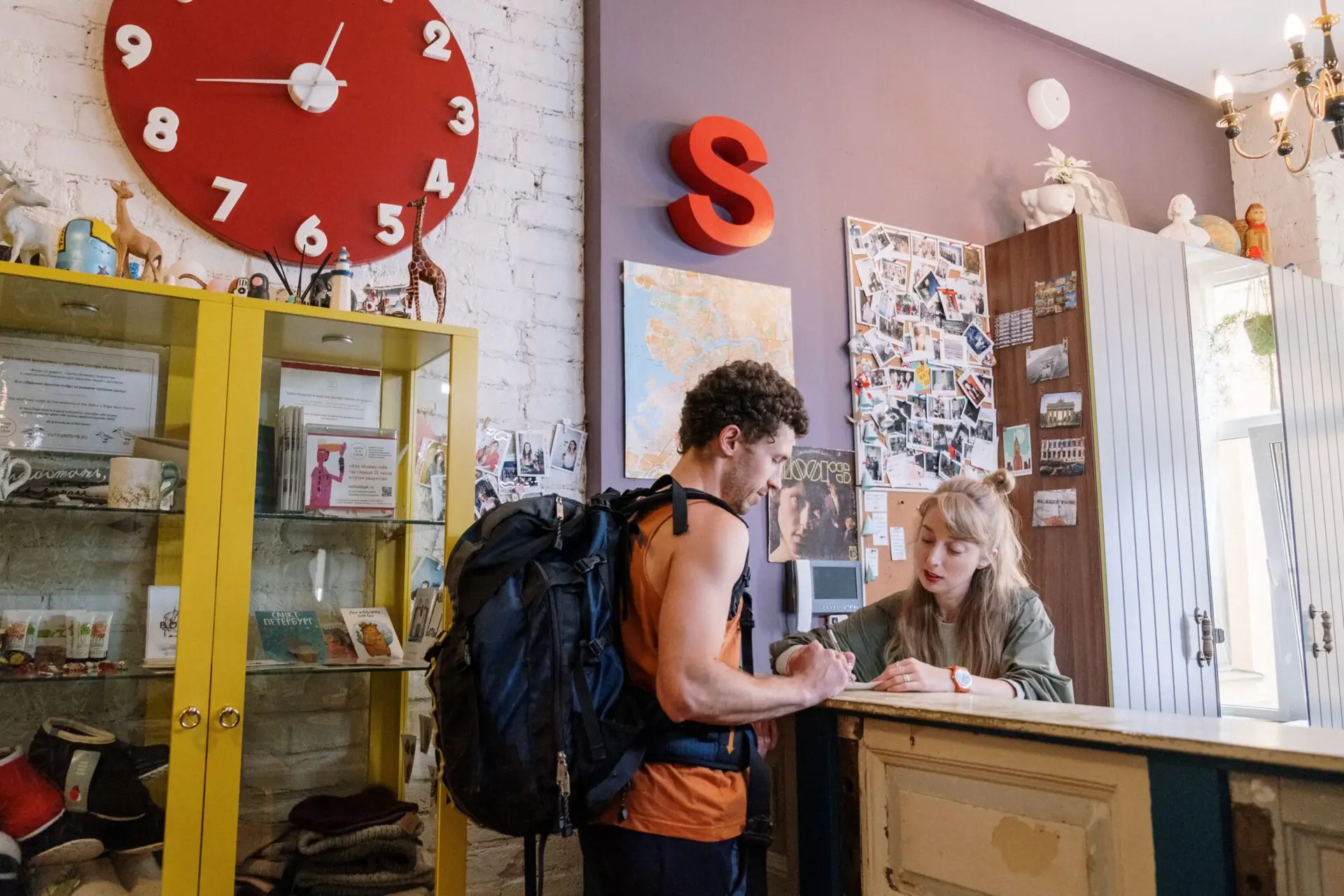
This budget accommodation guide reveals why accommodation is the single biggest factor in whether your trip stays affordable or blows your budget. For most travelers, it accounts for 30-50% of total trip costs. The good news is that there are more affordable options available today than ever before, from hostels and guesthouses to house-sitting and work exchanges. This complete guide covers every type of budget accommodation available to travelers in 2026.
According to Budget Your Trip, the average traveler spends $50-100 per night on accommodation. However, budget travelers who use the strategies in this guide regularly pay just $5-25 per night for clean, comfortable, and safe places to stay. For more money-saving strategies, check out our budget travel blueprint or our hotel upgrade secrets.
Complete Budget Accommodation Guide for 2026
Why Accommodation Is Your Biggest Expense
Understanding where your money goes is the first step to spending less. Here is a typical breakdown of travel expenses:
- Accommodation: 30-50% of total budget
- Food: 20-30% of total budget
- Transportation: 15-25% of total budget
- Activities: 10-20% of total budget
By cutting your accommodation cost from per night to per night, you save ,050 per month. That is enough to extend a month-long trip into a three-month adventure. The strategies in this guide will show you exactly how to make that happen.
Hostels: The Budget Traveler’s Best Friend
Hostels remain the most popular and accessible form of budget accommodation for solo travelers. Modern hostels are nothing like the dingy dorms of the past. Many now offer private rooms, stylish common areas, organized events, and even pools. Types of hostel rooms:- Dormitory beds (4-16 beds): The cheapest option at $5-20 per night. Great for meeting other travelers.
- Private rooms in hostels: Your own room with a shared or private bathroom. Costs $15-40 per night.
- Female-only dorms: Available in most hostels for solo female travelers who prefer more privacy.
The best hostel booking platforms are Trip.com and Booking.com. Always read recent reviews, check the location on Google Maps, and look for hostels with high “atmosphere” scores if you want to meet people.
Guesthouses and Family-Run Stays
Guesthouses are small, family-run accommodations that offer a more local and intimate experience than hotels. They are especially common and affordable in Southeast Asia, South America, and Eastern Europe.In countries like Thailand, Bali, and Vietnam, guesthouses cost just $8-20 per night for a private room with AC, WiFi, and sometimes breakfast included. In Eastern Europe, guesthouses run $15-35 per night with similar amenities.
The biggest advantage of guesthouses is the personal touch. The owners often live on-site and can provide local recommendations, arrange transportation, and share insights that you will never find in a guidebook.
Airbnb and Vacation Rentals
Airbnb has transformed budget accommodation by making entire apartments and houses available for short and long stays. For groups of 2-4 people, Airbnb is often cheaper than hostels or hotels on a per-person basis. Money-saving Airbnb tips:- Book weekly or monthly: Most hosts offer 10-30% discounts for stays of 7+ nights, and even bigger discounts for 28+ nights.
- Look for “Superhosts”: Experienced hosts with consistently high ratings.
- Consider the location: Staying slightly outside the center can cut costs by 40-50% while still being accessible.
- Use “Instant Book”: These listings often have more competitive pricing.
- Book during shoulder season: Prices drop significantly outside peak tourist months.
For solo travelers, Airbnb is best for private rooms within a shared apartment rather than entire places, which are usually more expensive and less social.
House-Sitting: Free Accommodation Worldwide
House-sitting is one of the best-kept secrets in budget travel. You stay in someone’s home for free while they are away, usually taking care of their pets. In exchange, you get a fully furnished home with a kitchen, laundry, and often a great neighborhood location.
The leading house-sitting platforms include:
- TrustedHousesitters: The largest platform with thousands of listings worldwide. Annual membership around $170.
- Nomador: Popular in Europe with a strong French market.
- HouseCarers: Budget-friendly option with listings in over 50 countries.
House-sitting requires planning and flexibility. You need to apply for sits well in advance, build a profile with references, and be available during the owner’s travel dates. However, the payoff is enormous — you can live in beautiful homes in prime locations for the cost of a membership fee.
Work Exchange and Volunteering
Work exchange programs let you work a few hours per day in exchange for free accommodation and sometimes meals. This is an excellent option for longer trips where you want to stretch your budget further.Popular platforms include:
- Workaway: The largest platform with over 50,000 active listings. Works on farms, hostels, schools, and private homes. Annual membership costs about $50.
- WWOOF (World Wide Opportunities on Organic Farms): Focused on organic farming. Great for learning about sustainable agriculture.
- HelpX: Similar to Workaway with a slightly different listing mix.
Typical work exchange involves 20-25 hours per week of help in exchange for accommodation and meals. Tasks range from front desk work at hostels to gardening, teaching languages, or helping with social media for small businesses.
Camping and Van Life
Camping is the cheapest accommodation option available and offers a unique connection with nature. Many countries have extensive networks of campsites, and some allow wild camping (camping on public land without formal facilities).- Organized campsites: $5-20 per night with facilities like bathrooms, showers, and sometimes kitchens.
- Wild camping: Free in countries like Scotland, Scandinavia, and parts of Eastern Europe. Always check local regulations.
- Van life: Converting a van into a mobile home costs $1,000-5,000 upfront but provides essentially free accommodation thereafter.
For those interested in van life, apps like Park4Night and iOverlander help you find free and affordable camping spots around the world.
Booking Tips for the Best Deals
Regardless of which type of accommodation you choose, these booking strategies will save you money:
- Book in advance for popular destinations: During peak season, the best budget places get snapped up quickly.
- Be flexible with dates: Moving your stay by one or two days can sometimes save 20-30%.
- Use price comparison tools: Compare prices across Trip.com, Trip.com, and direct booking sites.
- Negotiate for long stays: For stays of a week or more, many hosts will offer a discount if you ask politely.
- Travel in shoulder season: The months just before and after peak season offer lower prices and fewer crowds.
- Consider location carefully: Staying 15 minutes outside the center by public transport can save 40-60% on accommodation.
For more budget travel strategies, see our guides on traveling on $30 per day and our complete solo travel guide for 2026.
Safety Considerations for Budget Accommodation
Budget does not have to mean unsafe. Here are essential safety tips for budget accommodation:
- Read recent reviews: Focus on reviews from the last 3 months. Conditions can change quickly.
- Check the neighborhood: Use Google Maps Street View to assess the area before booking.
- Bring a padlock: For hostel dorm lockers, always bring your own lock.
- Keep valuables secure: Use a money belt or hidden pouch for passports and extra cash.
- Trust your instincts: If a place feels wrong when you arrive, leave and find somewhere else.
For comprehensive safety tips, check out our travel safety guide and our safest destinations for solo female travelers.
Accommodation Comparison Chart
Here is a quick comparison to help you choose the right type of budget accommodation for your trip:
- Hostels (dorm): $5-20/night — Best for solo travelers, social atmosphere, flexibility
- Hostels (private): $15-40/night — Privacy with hostel social perks
- Guesthouses: $8-30/night — Local experience, personal service, often breakfast included
- Airbnb (shared): $15-40/night — Kitchen access, local neighborhood feel
- Airbnb (entire): $30-100/night — Best for groups, full home amenities
- House-sitting: Free — Requires planning, best for flexible travelers
- Work exchange: Free — Requires work commitment, great for long-term travelers
- Camping: $0-20/night — Adventure and nature, requires gear
The best budget accommodation strategy is to mix and match. Use hostels for short city stays, guesthouses for rural areas, Airbnb for longer stays, and house-sitting when you find a good match. By combining these options, you can keep your accommodation costs well under per night almost anywhere in the world.
Booking through a platform? Read our Booking.com refund survival guide before you pay: it covers how to book so you rarely need a refund, and how to win one when you do.
Keep planning
This guide sits in our Budget Travel collection.
Save on Your Trip
These are the tools and services our team recommends for saving on your trip:
When you book through these links, we may earn a commission at no extra cost to you. Thank you for supporting Destivity!
Want the Complete Guide?
This article is just a preview. Get the full premium PDF guide with detailed itineraries, exact budgets, maps, packing checklists, and insider tips.
Get the Full Guide →Get Free Travel Hacks Weekly
Join 2,000+ travelers. Get our best tips, deals, and a free PDF guide.


