

Booking.com Refund Survival Guide: How to Get Your Money Back
Quick answer: Booking.com is not the hotel — it is a middleman, and that distinction decides how refund disputes play out. Before you book, read reviews from the last three months, prefer properties with “free cancellation,” and pay with a credit card. If a stay goes wrong, your escalation order is: the property first, then Booking.com customer service in writing, then your credit card issuer via a chargeback. Most disputes resolve at step two — but the credit card dispute is the tool that actually forces a decision.
If this debate feels familiar, it is because a Reddit thread in r/travel about a Rome booking that went sideways drew hundreds of comments — travelers split between “I’ve booked 300 times and never had an issue” and “they refunded me in a day” versus genuine horror stories that took weeks and a chargeback to fix. This guide covers both realities: how to book so you rarely need a refund, and exactly how to get one when you do.
Why most Booking.com refund disputes are really a hotel problem
Here is the structural fact that explains almost every horror story: when you book a property through Booking.com, the hotel is usually the merchant of record. You pay the property (directly or through Booking.com’s payment flow), and the hotel controls the money. Booking.com is the booking platform, not the hotel operator.
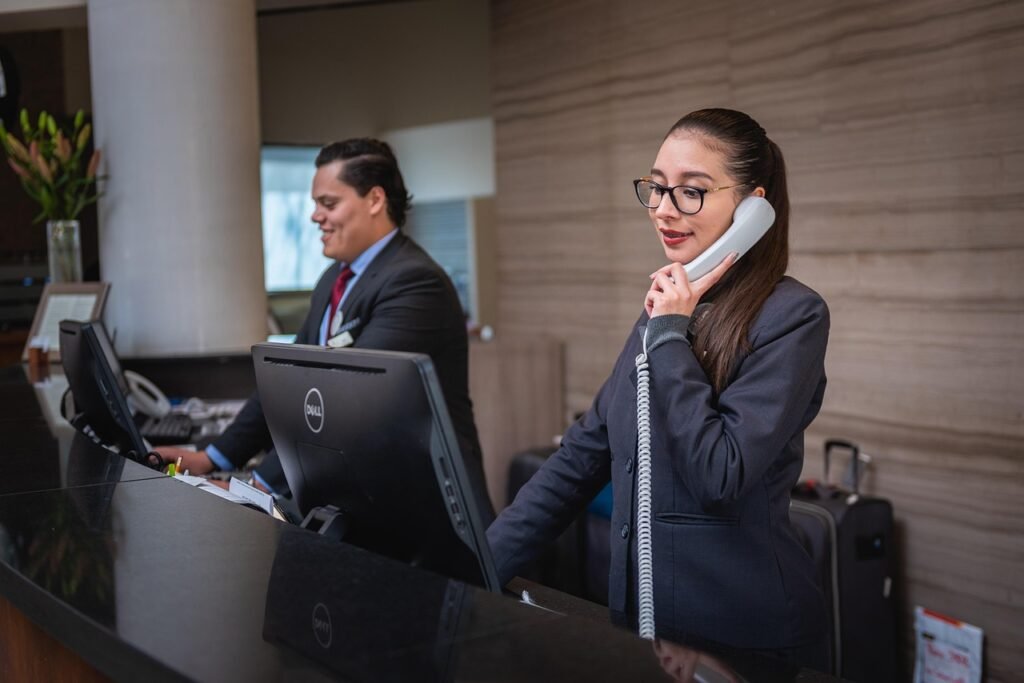
That is why the classic complaint loop sounds like this: the guest says the room was not as described and wants a refund; Booking.com says “we contacted the property”; the property says “no refund”; Booking.com says “unfortunately we cannot force the property to issue a refund.” It is not always bad faith — Booking.com genuinely has limited ability to process a refund for a charge the property took.
The moment you book, screenshot the confirmation page showing the payment terms, cancellation policy, and the property’s advertised amenities. This one screenshot wins more disputes than any complaint letter.
How the refund process actually works
When you report a problem (broken AC, dirty room, no hot water, unresponsive staff), you open a ticket through Booking.com’s customer service. The practical timeline, based on how these cases play out:
- Report immediately — while you are still at the property, not after you leave. Take photos and videos with timestamps: the broken AC display, the dirty sheets, the cold water, the WhatsApp messages.
- Booking.com responds (typically within 24 hours) with a case number. This is where the platform contacts the property.
- The property says no — then Booking.com says the property processed the charge and they cannot issue a refund on its behalf.
- You escalate to your credit card issuer (the step that actually moves the money).
A common trap is the “talk to corporate, then talk to the property, then talk to corporate again” loop. Every platform-agent has scripts; the property has every incentive to keep your money. Do not get stuck repeating the same conversation for two weeks — if an offer has not been made within a few days of the property refusing, prepare the chargeback.
What actually works when the property says no
1. Credit card chargeback (most effective) If you paid by credit card, your issuer can dispute the charge. In the US, the Fair Credit Billing Act gives you up to 60 days from your statement date to dispute a billing error — for many cards, “services not provided as described” triggers a temporary credit while the bank investigates. Keep your evidence: confirmation, photos, messages with the property, and Booking.com’s case number.

2. Written escalation with a deadline Reply to every platform message in writing, restate the problem in one paragraph, attach the evidence, and set a deadline: “If no resolution by [date], I will dispute the charge with my card issuer.” This is not a threat — it is informational, and it often triggers a second look.
3. Know what Booking.com can and cannot do Booking.com can issue refunds for bookings it processed and for cancellations under the property’s policy. It cannot force a property to refund a charge the property took. Most successful resolutions happen when the platform agrees the property violated its advertised terms (e.g., “free cancellation” was advertised but not honored).
How to book so you rarely need this guide
The travelers who “never have problems” are not luckier — they filter differently. Recruit their habits:

Read the last 3 months of reviews, filtered for your season. A property with 4,000 reviews and a dozen recent complaints about cleanliness or heating is a different animal from one with pre-2026 reviews only. Conditions change fast.
Prefer properties with “free cancellation” and a real front desk. The worst stories routinely involve “rooms” (not hotels), check-in via WhatsApp, and paid-up-front rates. A property with a physical reception desk and free cancellation has a weaker incentive to hold your money and a stronger path to resolution.
Compare direct prices before booking. Many hotels price-match or undercut their own Booking.com listing. Booking direct gives you a direct customer relationship — no middleman in the refund loop. For broader budget-stay strategy, our budget accommodation guide breaks down hostels, guesthouses, and when direct booking saves 10-15%.
Pay with a credit card, and never a debit card or wire. Debit card disputes exist but are weaker; wires and cash are unrecoverable. The credit card issuer is the one party in this system with real leverage over the merchant.
Take the 10-minute verification habit. When you check in: match the room to the listing, test the AC/water/WiFi, photograph the room, and message the front desk about any issue in writing within the hour. Timestamped evidence converts “he said, she said” into a documented case.
When a chargeback is your only option, do this
- Exhaust a reasonable escalation first — you want a paper trail proving you tried. A week of documented attempts is usually enough.
- Gather the evidence bundle: booking confirmation, payment receipt, photos/videos, written messages with the property and the platform, and the case number.
- Call your issuer, ask for the dispute/chargeback department, and explain the service was not provided as described. Do not frame it as a “bad review” — frame it as a service failure with evidence.
- Upload evidence if the issuer offers online dispute submission, and note the dispute window (often 60–120 days from statement date, depending on issuer and card network).
A chargeback is a genuine consumer-protection tool, not a “free money” trick. Issuers can side with the merchant if the documentation is weak. The evidence bundle is what wins, so take the photos before you leave the property — not three days later from memory.
Frequently Asked Questions
Is Booking.com a scam?
No. Booking.com is a legitimate, massive booking platform, and millions of stays go fine. But it is a marketplace, not a hotel operator — the individual property controls your stay and your money. Most disputes are with the property, not the platform.
How long does a Booking.com refund usually take?
When approved, a refund typically takes 5–10 business days to return to your card, depending on the bank. The longer wait is the dispute itself: polite escalation can take days, and a credit card dispute typically takes a billing cycle (or several weeks) to resolve.
What if the property refuses to refund me?
Escalate to Booking.com with evidence, then to your credit card issuer via a chargeback. A property that advertises “free cancellation” but refuses to honor it is usually in violation of the platform’s terms, which gives Booking.com a reason to step in.
Should I book directly with the hotel instead?
Often yes — direct booking can be cheaper (hotels save the commission) and gives you a direct customer relationship with no middleman. But direct booking has no platform protection and no chargeback middleman either: the refund is a negotiation between you and the hotel. A credit card chargeback still protects you either way.
What should I do if the room is not as advertised?
Document everything (photos, video, timestamps), message the property in writing immediately, and report the issue to the platform the same day — while you are still there. If you leave without reporting, both the property and the platform will assume “no problem.”
How do I avoid these problems in the first place?
Read recent reviews, choose real hotels with front desks over anonymous “rooms,” prefer free cancellation, pay by credit card, and compare the price on the hotel’s own site before booking. Our travel safety guide covers the booking-scam landscape in more detail.
More Practical Guides
- → Budget accommodation guide 2026 — pick stays that are less likely to turn into refund fights
- → Hotel upgrade secrets that work — how to get more from any hotel stay
- → Travel safety & scam guide 2026 — spot booking scams before they cost you
- → Browse all guides
Keep planning
This guide sits in our Flight and Hotel Hacks collection.
Save on Your Trip
These are the tools and services our team recommends for saving on your trip:
When you book through these links, we may earn a commission at no extra cost to you. Thank you for supporting Destivity!
Want the Complete Guide?
This article is just a preview. Get the full premium PDF guide with detailed itineraries, exact budgets, maps, packing checklists, and insider tips.
Get the Full Guide →Get Free Travel Hacks Weekly
Join 2,000+ travelers. Get our best tips, deals, and a free PDF guide.