Table of Contents
- Why Solo Travel Budget Planning Matters
- Daily Solo Travel Budget Breakdown by Region
- Accommodation Costs for Solo Travelers
- Food Budget Strategies for Solo Travel
- Transportation Costs Around the World
- Activity and Entertainment Budgets
- Proven Ways to Save Money While Solo Traveling
- Cheapest Solo Travel Destinations for 2026
- Budget Travel Tools and Apps
- Final Solo Travel Budget Thoughts
Understanding your solo travel budget is the difference between a stressful trip and an incredible adventure. One of the biggest misconceptions about solo travel is that it is always more expensive than traveling with others. While it is true that you cannot split costs for hotel rooms and taxis, solo travelers have unique advantages that can actually make travel cheaper. This complete solo travel budget breakdown shows you exactly how much solo travel costs in destinations around the world.
We have compiled real cost data from over 30 countries to give you the most accurate solo travel budget information available for 2026. Whether you are planning a weekend getaway or a year-long adventure, this guide will help you understand exactly where your money goes and how to make it stretch further. For flight savings strategies, see our cheap flights guide.
Why Solo Travel Budget Planning Matters
Planning your solo travel budget before you depart is critical because there is no one else to bail you out if you run short on funds. When you travel with a partner or group, you can pool resources and share unexpected costs. When you travel alone, every financial decision falls on your shoulders. This makes budget planning not just helpful but essential.
A well-planned solo travel budget also reduces stress and allows you to enjoy your trip more fully. When you know exactly how much you can spend each day, you can make confident decisions about restaurants, activities, and transportation without constantly worrying about money. Our budget travel blueprint provides a step-by-step framework for building your personal travel budget.
According to Budget Your Trip, the average solo traveler spends between 50 and 150 dollars per day depending on the destination and travel style. However, with the right strategies, you can significantly reduce these costs without sacrificing experience quality.
Daily Solo Travel Budget Breakdown by Region
Here is a realistic solo travel budget breakdown for different regions in 2026. These figures represent daily costs including accommodation, food, transportation, activities, and miscellaneous expenses for a mid-range solo traveler.
Southeast Asia (Thailand, Vietnam, Cambodia, Indonesia): 30 to 60 dollars per day. This region offers the best value for solo travelers worldwide. Street food costs 1 to 3 dollars per meal, hostel dorms range from 5 to 15 dollars per night, and domestic transportation is incredibly cheap. Our Thailand travel guide includes detailed budget breakdowns.
Eastern Europe (Portugal, Hungary, Czech Republic, Poland): 40 to 80 dollars per day. Eastern Europe offers excellent value with safe destinations, good infrastructure, and affordable prices. Portugal is particularly popular among solo travelers. See our Portugal guide for specific costs.
Central America (Mexico, Costa Rica, Guatemala): 35 to 70 dollars per day. These countries offer beautiful beaches, rich culture, and affordable living costs. Mexico is especially budget-friendly outside of major tourist areas.
Japan: 50 to 100 dollars per day. Despite its expensive reputation, Japan can be done on a reasonable budget with the right strategies. Our Japan guide covers money-saving tips in detail.
Western Europe (France, Germany, UK, Netherlands): 80 to 150 dollars per day. Western Europe is more expensive but offers world-class culture, history, and cuisine. Budget strategies from our accommodation guide can help reduce costs significantly.
North America (USA, Canada): 70 to 150 dollars per day. Costs vary dramatically between cities. New York and San Francisco are among the most expensive, while cities in the South and Midwest offer much better value.
Accommodation Costs for Solo Travelers
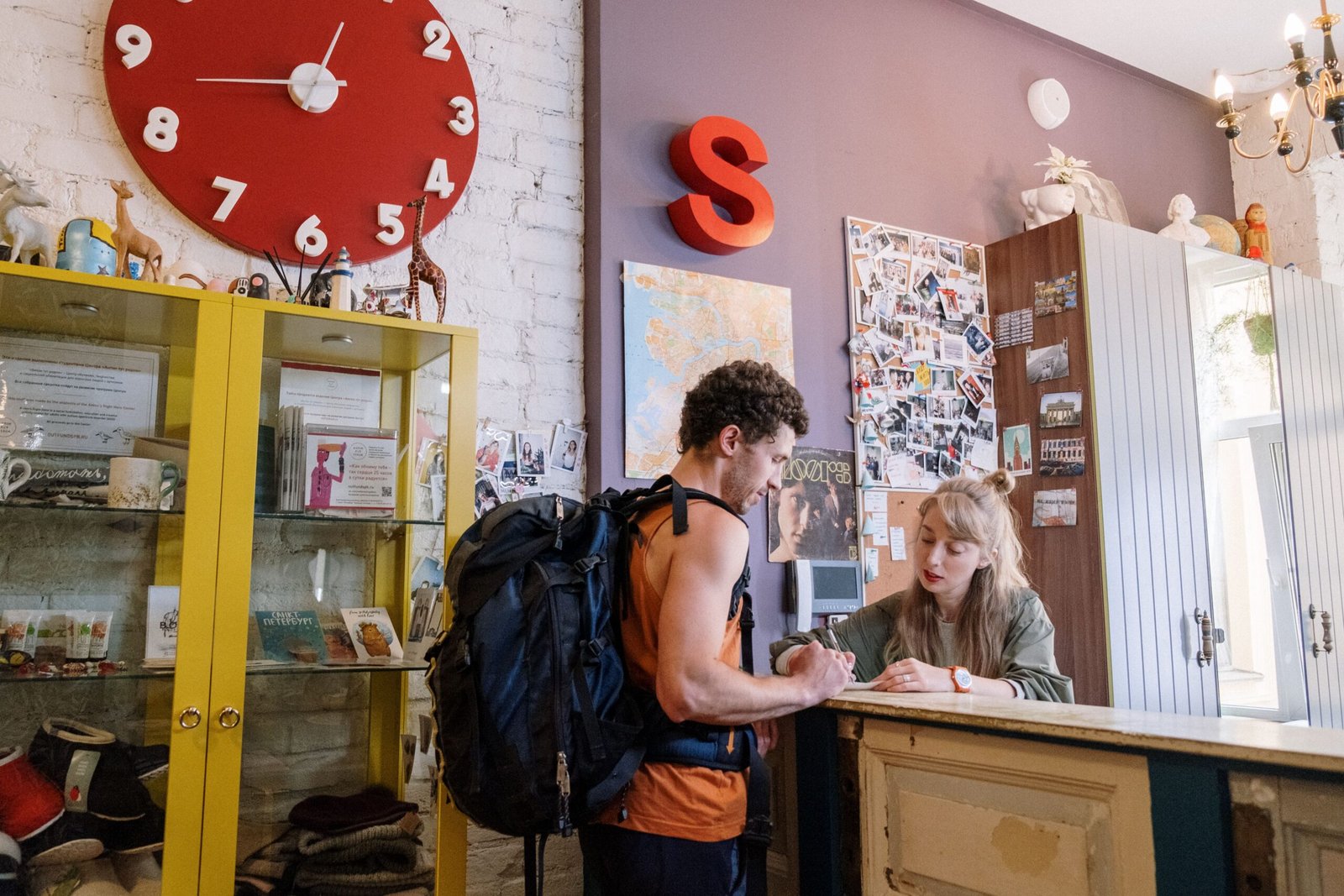
Accommodation is typically the largest expense in any solo travel budget. Hostel dorm beds are the cheapest option, ranging from 5 dollars per night in Southeast Asia to 40 dollars per night in expensive European cities. Private hostel rooms cost 20 to 80 dollars depending on the location.
Budget hotels and guesthouses offer more privacy for 30 to 100 dollars per night. House-sitting and work exchanges can reduce your accommodation costs to zero, making them powerful tools for long-term solo travelers. Our budget accommodation guide compares every option with real prices and booking tips.
Airbnb and vacation rental platforms offer good value for solo travelers staying in one place for several nights. Cooking your own meals in a rental kitchen can offset the higher accommodation cost through food savings. For solo travelers who prefer a kitchen, the total daily cost is often lower than staying in a hostel and eating out.
Food Budget Strategies for Solo Travel
Food typically accounts for 20 to 40 percent of your solo travel budget. The cheapest option is cooking your own meals, which costs 5 to 10 dollars per day in most destinations. Street food is the next cheapest option, offering delicious local cuisine for 1 to 5 dollars per meal in budget destinations.
Restaurant meals vary widely in price. In Southeast Asia, a restaurant meal costs 2 to 5 dollars. In Western Europe, expect to pay 10 to 25 dollars for a mid-range restaurant meal. Lunch specials and daily menus are almost always cheaper than ordering from the regular menu.
The biggest food savings tip for solo travelers is eating your biggest meal at lunch. Many restaurants offer lunch specials that are 30 to 50 percent cheaper than dinner prices for the same food. This strategy alone can save you hundreds of dollars over the course of a long trip. For more money-saving strategies, see our street food budget guide.
Transportation Costs Around the World
Transportation is the second largest expense in most solo travel budgets. Flights are typically the biggest single cost, which is why our cheap flights guide is essential reading before booking any trip. Using flight comparison tools, being flexible with dates, and booking in advance can save you 30 to 60 percent on airfare.
Ground transportation costs vary dramatically by region. In Southeast Asia, a overnight bus costs 5 to 15 dollars. In Europe, budget airlines connect major cities for 20 to 50 dollars if booked in advance. Trains are comfortable but often more expensive than buses, though rail passes can offer good value for multi-country trips.
Taxis and ride-sharing apps should be used sparingly on a tight solo travel budget. Public transportation is almost always cheaper and often more authentic. A single metro ticket in most cities costs 1 to 3 dollars, while a taxi ride covering the same distance might cost 10 to 20 dollars.
Activity and Entertainment Budgets
Activities and entertainment typically account for 15 to 25 percent of your solo travel budget. Free walking tours are available in most major cities and operate on a tip-based model, making them accessible to every budget level. Museums often have free days or discounted evening hours that budget-savvy solo travelers can take advantage of.
Natural attractions like beaches, hiking trails, parks, and viewpoints are almost always free. Some of the best solo travel experiences cost nothing at all. Our free things to do guide covers the best free activities in 15 popular destinations around the world.
For paid activities, book directly with local operators rather than through hotels or tourist agencies. Local operators typically charge 30 to 50 percent less for the same experience. Travel insurance is another essential activity expense that protects you from catastrophic costs in case of emergency.
Proven Ways to Save Money While Solo Traveling
There are dozens of proven strategies for reducing your solo travel budget without sacrificing experience quality. Travel during shoulder season for the best combination of good weather and lower prices. The months between peak and off-peak seasons offer 20 to 40 percent savings on accommodation and flights.
Use credit cards with no foreign transaction fees and good travel rewards programs. The right credit card can save you 3 percent on every purchase abroad and earn points toward free flights and accommodation. Our cheap flights guide covers the best travel credit cards for 2026.
Learn to say no to tourist trap restaurants, overpriced souvenirs, and unnecessary upgrades. These small savings add up to hundreds of dollars over a long trip. Cook with other travelers in hostel kitchens, share transportation costs when possible, and take advantage of free hostel activities.
Cheapest Solo Travel Destinations for 2026
Choosing a budget-friendly destination is the single most impactful decision for your solo travel budget. The cheapest destinations in 2026 include Vietnam, Cambodia, Nepal, Bolivia, Morocco, and Indonesia. In these countries, you can live comfortably on 25 to 40 dollars per day including accommodation, food, transportation, and activities.
If you prefer staying closer to home, Mexico, Guatemala, and Portugal offer excellent value with modern infrastructure and easy accessibility. Our destination dupes guide reveals affordable alternatives to expensive popular destinations.
For budget accommodation strategies specific to these destinations, check out our budget accommodation guide which compares hostels, guesthouses, and alternative options with real prices.
Budget Travel Tools and Apps
The right tools can dramatically improve your solo travel budget management. Trail Wallet and TravelSpend are excellent apps for tracking daily expenses and staying within your budget. Rome2Rio helps you find the cheapest transportation between any two points in the world.
Google Flights and Skyscanner are essential for finding cheap flights. Set up price alerts for your desired routes and book when prices drop. Our cheap flights guide provides a complete tutorial on using these tools effectively.
Final Solo Travel Budget Thoughts
A well-planned solo travel budget is your ticket to stress-free adventure. By understanding daily costs in different regions, using smart savings strategies, and choosing budget-friendly destinations, you can travel further and longer than you ever thought possible. The key is planning before you leave and tracking your spending while you travel.
Remember that the cheapest option is not always the best value. Spending a few extra dollars on a safe taxi at night or a centrally located hostel that saves transportation costs can actually improve both your safety and your overall experience. Smart budgeting is about making intentional choices, not cutting every corner.
For more budget travel strategies and destination guides, explore the complete Destivity travel hub where hundreds of free resources help you travel smarter in 2026.
Save Your Trip
Book smarter with these trusted travel tools.
We earn a small commission at no extra cost when you book through these links.

Travel smarter, not harder. Expert guides, budget tips, and insider hacks for every destination.
You Might Also Like