

Farm Stays and Slow Food Travel Experiences 2026
Farm stays and slow food travel are two sides of the same coin. A farm stay puts you directly on the land where your food is grown. Slow food travel encourages you to understand, appreciate, and savor every bite. Together, they create one of the most meaningful travel experiences available in 2026. You do not just visit a place. You work the soil, harvest ingredients, cook with locals, and eat meals that connect you to centuries of tradition. This guide covers the best farm stay experiences around the world and how to plan your own slow food adventure.
What Are Farm Stays and Slow Food Travel?
A farm stay is exactly what it sounds like. You stay on a working farm, participate in daily agricultural activities, and often eat food produced on the land itself. Farm stays range from basic camping on a small family farm to comfortable agriturismos with pools, restaurants, and organized tours. The common thread is direct connection to food production.
Slow food travel extends this concept beyond the farm. It is about eating locally, seasonally, and intentionally. Instead of rushing through meals or grabbing fast food between attractions, you take the time to visit markets, meet producers, learn cooking techniques, and understand the cultural significance of what you eat. The slow food movement started in Italy in 1986 as a reaction against the opening of a McDonald’s near the Spanish Steps in Rome. It has since grown into a global philosophy that values local food traditions, biodiversity, and sustainable agriculture.
When you combine farm stays with slow food travel, you get an experience that engages all your senses. You smell the earth, feel the plants, hear the animals, taste ingredients straight from the ground, and see the landscape that produced your meal.
The Philosophy Behind Slow Food
Slow food is built on three principles:
Good. Food should taste good and be produced in a way that is good for the environment, animals, and people who grow it. This means organic farming, humane animal husbandry, and traditional preparation methods.
Clean. Food production should not harm the environment. Sustainable agriculture, minimal chemical inputs, and respect for biodiversity are core values.
Fair. Producers should receive fair compensation for their work. Supporting local farmers and food artisans keeps rural communities alive and thriving.
These principles translate directly into the travel experience. When you eat at a slow food restaurant or stay on a farm, you know where your food comes from, who grew it, and how it was produced. This transparency is increasingly valuable in a world where industrial food production has disconnected most people from the origins of their meals.
Why Farm Stays Are Growing in Popularity
Farm stays have experienced explosive growth in recent years, and 2026 is no exception. Several factors drive this trend:
Urban fatigue. City dwellers are desperate for open space, fresh air, and connection to nature. Farm stays deliver all three.
Food consciousness. More travelers want to understand where their food comes from and how it is produced. There is no better way to learn than to participate in the process yourself.
Sustainability. Farm stays are inherently more sustainable than conventional tourism. You eat local food, reduce transportation emissions, and support small-scale agriculture.
Authenticity. In an age of over-tourism, farm stays offer genuine, off-the-beaten-path experiences that feel real and personal.
Affordability. Many farm stays are surprisingly affordable, especially compared to hotels. Some offer work-exchange arrangements where you work a few hours daily in exchange for free accommodation and meals.
Types of Farm Stay Experiences
Farm stays come in many varieties:
Agriturismos are Italian-style farm stays that range from basic to luxurious. They typically include accommodation, meals made from farm products, and activities like wine tastings and cooking classes.
WWOOFing (World Wide Opportunities on Organic Farms) is a global network that connects volunteers with organic farms. You work four to six hours per day in exchange for accommodation and food. There is no financial cost beyond your travel to the farm.
Working farm holidays are popular in the UK, Ireland, Australia, and New Zealand. These stays let you participate in seasonal activities like shearing, harvesting, or lambing.
Permaculture retreats focus on sustainable agriculture education. You learn about permaculture principles while working on a farm designed to be self-sustaining.
Vineyard stays combine wine production with accommodation. You help with pruning, harvesting, or cellar work and enjoy wine tastings in return.
Homestays with cooking involve staying with a local family and learning their traditional recipes. This is one of the most popular farm stay formats in Thailand, Vietnam, and Morocco.
Top Destinations for Farm Stays
Italy: Farm Stays in Tuscany and Umbria
Italy is the spiritual home of agriturismo. Tuscany and Umbria have hundreds of farm stays ranging from converted stone farmhouses to elegant country estates. Many produce their own wine, olive oil, cheese, and vegetables. A typical agriturismo stay includes a rustic but comfortable room, a multi-course dinner made entirely from farm products, and activities like wine tastings, truffle hunting, or cooking classes.
The Italian commitment to food quality means every meal is an event. You will eat pasta made from scratch with eggs laid that morning, vegetables picked an hour before dinner, and wine made from grapes grown on the hillside outside your window.
April to June and September to October for harvest season and mild weather.
60 to 150 dollars including accommodation, breakfast, and dinner.
Portugal: Agritourism in the Alentejo
Portugal’s Alentejo region is an emerging agritourism destination with rolling hills, cork oak forests, and family-run farms producing wine, olive oil, and traditional cheeses. Our Portugal travel guide covers this region in detail. Farm stays here tend to be more affordable than in Italy, with the same emphasis on local food and wine.
The Alentejo is less touristy than Tuscany, which means more authentic experiences and lower prices. The region’s wine industry is booming, and many farms offer tastings and tours.
March to June and September to November.
40 to 100 dollars including accommodation and meals.
Thailand: Rice Farms and Cooking Schools
Thailand’s farm stay scene is centered around rice farming, herb gardens, and traditional cooking. In Chiang Mai, Chiang Rai, and Isaan, homestays offer the chance to plant or harvest rice, learn Thai cooking techniques, and eat meals prepared from ingredients grown on the property. Our Thailand travel guide covers the best regions for farm experiences.
Thai farm stays are incredibly affordable and deeply cultural. You learn not just about food but about the Buddhist traditions, family structures, and agricultural practices that shape Thai cuisine.
November to February for cooler weather, or during rice harvest season in October.
15 to 40 dollars including accommodation and meals.
Bali: Organic Farms and Permaculture
Bali has a growing scene of organic farms and permaculture retreats. In the hills around Ubud and the central highlands, farms offer hands-on experiences in organic farming, permaculture design, and traditional Balinese cooking. Our Bali slow travel guide details the best farm experiences on the island.
Bali’s tropical climate means an incredible diversity of fruits, vegetables, and spices. Many farms grow cacao, vanilla, turmeric, lemongrass, and dozens of other ingredients that you will process and cook with.
April to October (dry season).
20 to 50 dollars including accommodation and meals.
France: Vineyards and Lavender Farms
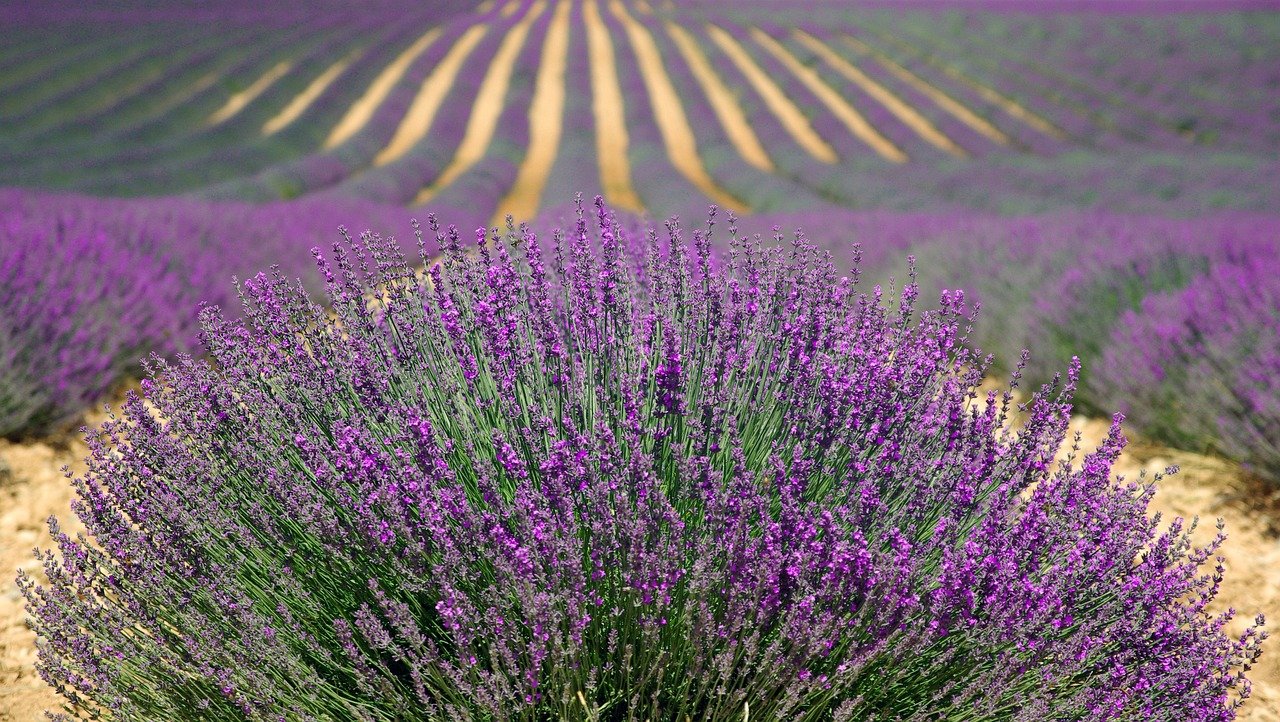
France’s farm stays are often centered around wine production or lavender farming. In Provence, you can stay at a lavender farm during the blooming season (June to August) and help with harvesting. In Bordeaux, Burgundy, and the Loire Valley, vineyard stays let you participate in the winemaking process.
French farm stays combine agricultural work with gastronomic excellence. Meals are often the highlight, featuring local cheeses, charcuterie, and wines produced on or near the property.
June to September for lavender, September to October for grape harvest.
70 to 150 dollars including accommodation and meals.
Japan: Satoyama Farm Experiences
Japan’s satoyama concept refers to the border zone between mountains and flat land where people have lived sustainably for centuries. Farm stays in these areas let you participate in rice planting, tea harvesting, vegetable gardening, and traditional cooking. The Japanese attention to detail and respect for ingredients make these experiences uniquely educational.
Japanese farm stays teach you about precision, seasonality, and respect for nature. The food is often simple but extraordinarily good.
Spring for planting, autumn for harvest.
50 to 100 dollars including accommodation and meals.
What to Expect on a Farm Stay
A typical day on a farm stay might include:
- Morning: Wake early, help with feeding animals or tending crops, eat a breakfast of fresh eggs, bread, and local produce.
- Midday: Participate in farm activities like harvesting, planting, or processing. Learn a new skill like cheese-making, bread-baking, or wine-making.
- Afternoon: Free time for exploring the farm, reading, or simply resting in the countryside.
- Evening: Help prepare dinner with ingredients from the farm, share a meal with hosts and fellow guests, and enjoy conversation around the table.
Expect to get dirty, work up an appetite, and sleep deeply. The physical labor, fresh air, and good food create a natural rhythm that is deeply restorative.
How to Find and Book Farm Stays
Agriturismo websites like agriturismo.it and agritourism.co.uk list thousands of farm stays worldwide.
WWOOF (wwoof.net) connects volunteers with organic farms in over 130 countries.
Workaway (workaway.info) offers a broader range of work-exchange opportunities including farm stays.
Farmstay (farmstay.co.uk) specializes in farm-based accommodations in the UK and worldwide.
Airbnb and Booking.com have filters for farm stays and countryside properties.
Direct booking through farm websites often gets you the best rates and most detailed information.
Farm Stays on a Budget
Farm stays can be remarkably affordable. Here are strategies for keeping costs low:
- Work exchanges through WWOOF or Workaway eliminate accommodation and food costs entirely
- Shoulder season visits offer lower rates and fewer crowds
- Longer stays often come with significant discounts
- Cooking your own meals from farm produce saves money compared to eating out
- Group bookings can reduce per-person costs
Our budget accommodation guide has additional strategies for affordable stays.
Combining Farm Stays with Slow Travel
Farm stays are a natural extension of slow travel philosophy. Instead of visiting a place as a tourist, you become a temporary resident. You contribute to the local economy through your labor, you eat food produced on the land, and you build relationships with people who live close to the earth. Our slow travel manifesto explains why this approach to travel is more fulfilling and sustainable than conventional tourism.
Consider building a multi-country farm stay itinerary. Spend a month in Italy learning about wine and olive oil, then head to Thailand for rice farming and Thai cooking, then finish in Bali with permaculture and tropical agriculture. Each stop teaches you something new about food, agriculture, and the human relationship with the land.
Final Thoughts
Farm stays and slow food travel offer something that conventional tourism cannot: a direct, hands-on connection to the food you eat and the land it comes from. In 2026, the options for this kind of travel have never been more diverse or accessible. Whether you choose a Tuscan agritourism, a Thai rice farm, a Balinese permaculture retreat, or a French vineyard, the experience will change how you think about food, travel, and what it means to eat well. For more travel guides and farm stay recommendations, visit Destivity.
How to Choose the Right Farm Stay
Not all countryside stays are the same. Some are rustic. Others feel like luxury resorts. The right choice depends on your travel style. Ask yourself a few simple questions before you book.
What is your main goal? Do you want to work with your hands? Do you want cooking lessons? Or do you want pure rest? A work exchange farm is very different from a gourmet retreat. Know your goal before you start searching.
Which season fits your plan? Farms move with the seasons. Rice fields come alive at planting and harvest. Vineyards are quiet in winter. Choose a farm that is active when you plan to arrive.
Do you have dietary needs? Meals are local and simple. They may not match every diet. Tell your host about allergies or food rules when you book. Good hosts adapt with pleasure.
What is your budget? Prices range from free work exchanges to $200 per night. Set a range first. Then filter your search to match it.

Read reviews from other travelers. Look closely at photos of rooms and meals. A warm host makes all the difference. If you want a deeper look at traveling slowly, read our slow travel manifesto.
Family Farm Holidays: What to Expect
Countryside stays are brilliant for families. Children love animals, open space, and real tasks. Screens lose their pull when there are chickens to feed and eggs to collect.
Many farms welcome kids warmly. They offer pony rides, animal feeding, and bread workshops. Some have playgrounds and family rooms. Check the farm profile for family features before you book.

For young children, start with one or two nights. That is enough for a first taste. Older kids and teens often want to stay a full week.
A farm visit is real education. Kids see where milk comes from. They watch vegetables grow. These lessons last a lifetime. Keep the rest of the trip cheap with our street food budget guide.
Packing List for a Countryside Stay
Packing for a rural trip is different from packing for a hotel. Practical clothes beat stylish ones. Pack light, but pack smart.
Sturdy shoes or boots are the top priority. Farms are muddy and uneven. Closed-toe shoes protect your feet. Long pants guard against thorns and insects.
Add a sun hat, sunscreen, and insect repellent. Work gloves help if you join the chores. A light rain jacket is smart in spring and autumn.
Most hosts provide bedding and towels. Ask before bringing heavy extras. A small gift from your home region is a kind touch. Honey, chocolate, or fruit works well.
Farm Etiquette: How to Be a Great Guest
You are a guest in a family home. Good manners go far here. A few simple rules keep the visit pleasant for everyone.
Ask before entering fields or pens. Animals can be protective. Never feed livestock without permission. Some animals need strict diets.
Be honest about your skills. If you have never driven a tractor, say so. Hosts would rather teach than repair damage.
Respect meal times. Farm kitchens run on a schedule. If you are late, dinner may be cold.
Tidy up after yourself. Thank your hosts before you leave. A written review helps small farms reach new guests.
Slow Food Festivals and Markets to Plan Around
Slow food is also a calendar of events. Festivals celebrate local food, artisans, and farmers. They are wonderful reasons to plan a rural trip.
Italy leads the way. The Salone del Gusto in Turin is the largest slow food fair on earth. It runs every two years. You can taste dishes from hundreds of regions.
Other countries host smaller gems. France has regional food markets. Japan celebrates rice and sake festivals. Thailand fills night markets with local cooks.
The Slow Food International website lists many of these events. Check their calendar as you plan. You can build a whole itinerary around one festival.
Farm Stays Around the World: Where to Start
New to this style of travel? Start close to home. A weekend on a local farm is a gentle intro. You skip long flights and save money.
Then branch out. Europe has the deepest rural hospitality culture. Italy, France, and Portugal lead in agritourism. The WWOOF International network links you with organic farms in more than 130 countries.
Asia offers the best value. Rice farm homestays in Thailand cost as little as $15 a day. Bali’s permaculture farms mix learning with tropical beauty. Our Bali slow travel guide shows you how.

Choose one region per trip. A single country gives you depth. You meet real families and taste real seasons. That is the heart of slow travel.
A Month of Farm Stays: Sample Itinerary
Want to travel for a whole season? String several stays together. Here is a realistic four-week plan.
Week one: A Tuscan agriturismo. Learn to make pasta and press olive oil. Daily cost: $60 to $150.
Week two: A Portuguese estate in the Alentejo. Pick cork, taste wine, and eat sheep cheese. Daily cost: $40 to $100.
Week three: A rice farm near Chiang Mai. Plant, harvest, and cook Thai classics. Daily cost: $15 to $40.
Week four: A permaculture retreat in Ubud. Study tropical plants and spice gardens. Daily cost: $20 to $50.
Book each stop one month ahead. Keep travel days short between farms. Slow movement is part of the experience.
Budget Breakdown: What a Rural Stay Really Costs
Costs vary widely by region and format. Here is a realistic picture for 2026.
Work exchanges: $0 for accommodation and food. You pay only for travel and personal items. Expect four to six hours of work per day.
Homestays: $15 to $50 per night. Breakfast and one main meal are usually included. This is the cheapest paid option.
Agriturismos: $60 to $150 per night. Rooms are comfortable. Dinners often feature several courses of local food.
Luxury farm retreats: $150 to $400 per night. These include cooking classes, tastings, and spa extras.
Add a buffer of 15 percent for transport and tips. Farms in rural areas may be far from the nearest station or bus stop. Plan your final leg carefully.
Book Direct or Through a Platform?
Both routes work well. Each has a trade-off.
Platforms give you reviews, photos, and a secure payment flow. They are safer for your first trip. Booking.com and Agriturismo.it both list thousands of farms.
Direct booking often gets better prices. You talk to the host before you commit. Many farms offer discounts when you skip the platform fee.
A smart approach: find a farm on a platform, then check its own website. Compare the total price. If the direct rate is lower, book direct. Keep the platform as backup for dispute protection.
For work exchanges, always use the official network. WWOOF and Workaway vet their hosts. Never send money outside the network to a stranger.
Safety and Insurance Notes
Rural stays are generally safe and calm. A few precautions keep them that way.
Check that your travel insurance covers farm work. Some policies exclude manual labor. Ask your insurer before you leave.
Tell someone where you are staying. Share the farm address and your host’s name. Check in with family every day or two.
Respect farm safety rules. Wear the boots the host offers. Watch for machinery, fences, and electric gates.
Keep your phone charged. Remote farms can have patchy signal. Download offline maps before you arrive.
Regional Slow Food Dishes to Try
Slow food is best tasted in place. These dishes define their regions.
Italy: Ribollita, a thick Tuscan bread soup made from garden vegetables and stale bread. Simple, cheap, and deeply satisfying.
Portugal: Acorda, a garlic and bread porridge enriched with olive oil and coriander. A peasant dish with deep flavor.
Thailand: Khao mok, a slow-cooked rice dish made with local chicken and fresh herbs. Served at family celebrations.
Bali: Lawar, a ceremonial mix of vegetables, coconut, and shredded meat. Every village makes its own version.
France: Ratatouille, summer vegetables stewed slowly until sweet. Best eaten on a Provencal terrace.
Japan: Okayu, a gentle rice porridge cooked for hours. Comfort food for cold satoyama nights.
Frequently Asked Questions
Do I need experience to join a working farm?
No. Most hosts welcome beginners. They teach you everything you need. Enthusiasm matters more than skill.
Are these trips expensive?
They can be very cheap. Work exchanges are free. Simple homestays cost $15 to $50 a night. Luxury options cost more but include meals.
How long should a stay last?
Three to seven nights is a good range. Shorter visits feel rushed. Longer ones let you settle into farm life.
Is it safe to travel alone?
Yes, with planning. Choose farms with strong reviews. Tell the host you are traveling solo. Many solo travelers call this the most welcoming kind of trip they have taken.
Do these stays support sustainable tourism?
They do. Your money stays with local families. Your food has a tiny footprint. You help keep rural communities alive. This is the opposite of mass tourism.
Keep planning
This guide sits in our Slow Travel collection.
Save on Your Trip
These are the tools and services our team recommends for saving on your trip:
When you book through these links, we may earn a commission at no extra cost to you. Thank you for supporting Destivity!
Want the Complete Guide?
This article is just a preview. Get the full premium PDF guide with detailed itineraries, exact budgets, maps, packing checklists, and insider tips.
Get the Full Guide →Get Free Travel Hacks Weekly
Join 2,000+ travelers. Get our best tips, deals, and a free PDF guide.